
Earthworm Unit for Soil Fertility & Sustainable Parks – Yediyur Ward
The Earthworm Unit established in Yediyur Ward strengthens soil fertility, supports farmers, and supplies earthworms to BBMP and state parks—advancing sustainable urban ecology.
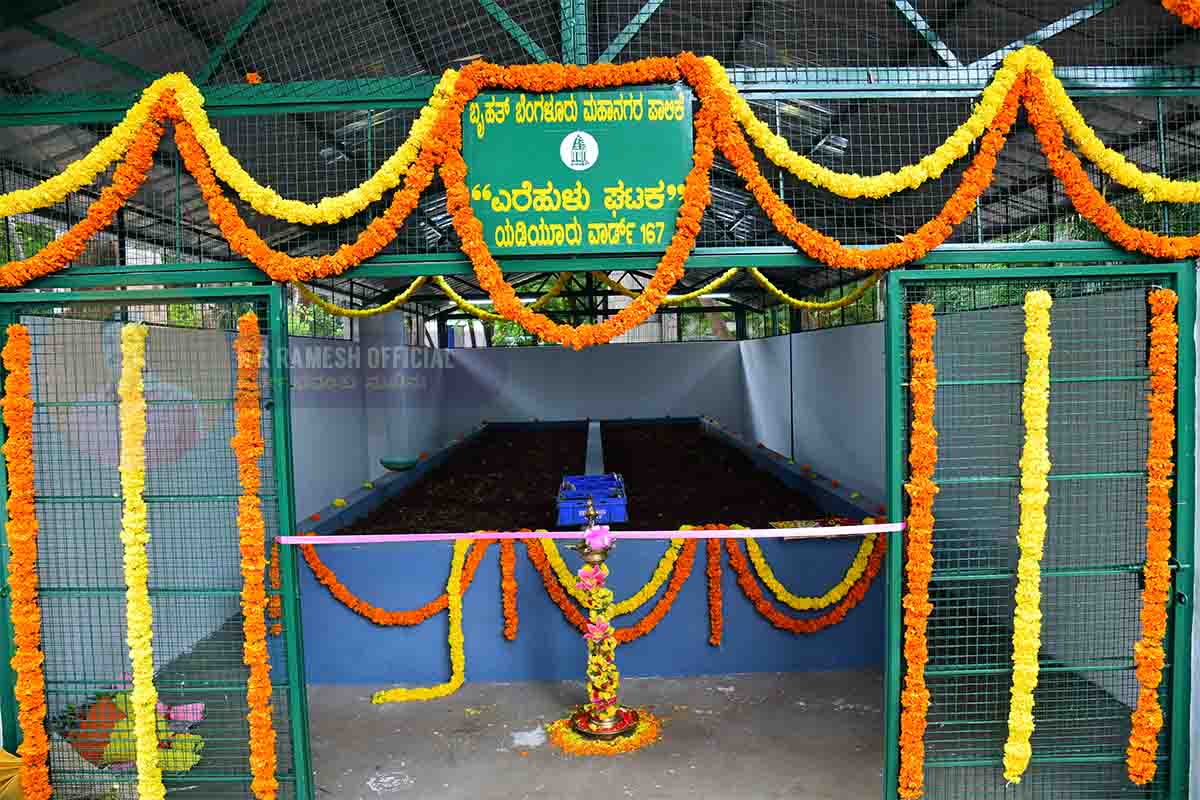
Earthworms play a vital role in improving soil health by enhancing water absorption, enabling deeper root growth for saplings and plants, and naturally producing nutrients essential for plant development. For this reason, earthworms are widely known as the “farmer’s friend.” Recognizing their ecological importance, the Earthworm Unit was established to meet the growing demand for earthworms and organic compost across Bengaluru.
Constructed by the Bruhat Bengaluru Mahanagara Palike (BBMP) at Laxman Rao Bulewad ‘D’ Park, located on 4th Main Road, Jayanagar 6th Block, Yediyur Ward, this unit was envisioned to supply earthworms to 774 BBMP parks and several major parks under the State Horticulture Department, including Lalbagh and Cubbon Park. With this initiative, the municipal corporation took another significant step toward strengthening urban green spaces and soil fertility.
The Earthworm Unit also focuses on supporting farmers around Bengaluru by making earthworms affordable and accessible. Farmers can procure earthworms at just ₹400 per kilogram, and plans are underway to sell earthworm compost at a nominal rate, supporting widespread adoption of organic and sustainable farming practices. This initiative is expected to deliver significant benefits to farmers who rely on natural soil enrichment.
Earthworm compost at this unit is produced by collecting and processing dry leaves that naturally fall from thousands of roadside trees and 17 parks within Yediyur Ward. By converting organic waste into valuable compost and earthworms, the unit not only improves soil fertility but also promotes responsible waste utilization. This project serves as a model of eco-friendly governance, connecting urban sustainability, agricultural support, and environmental conservation.
Other Developments
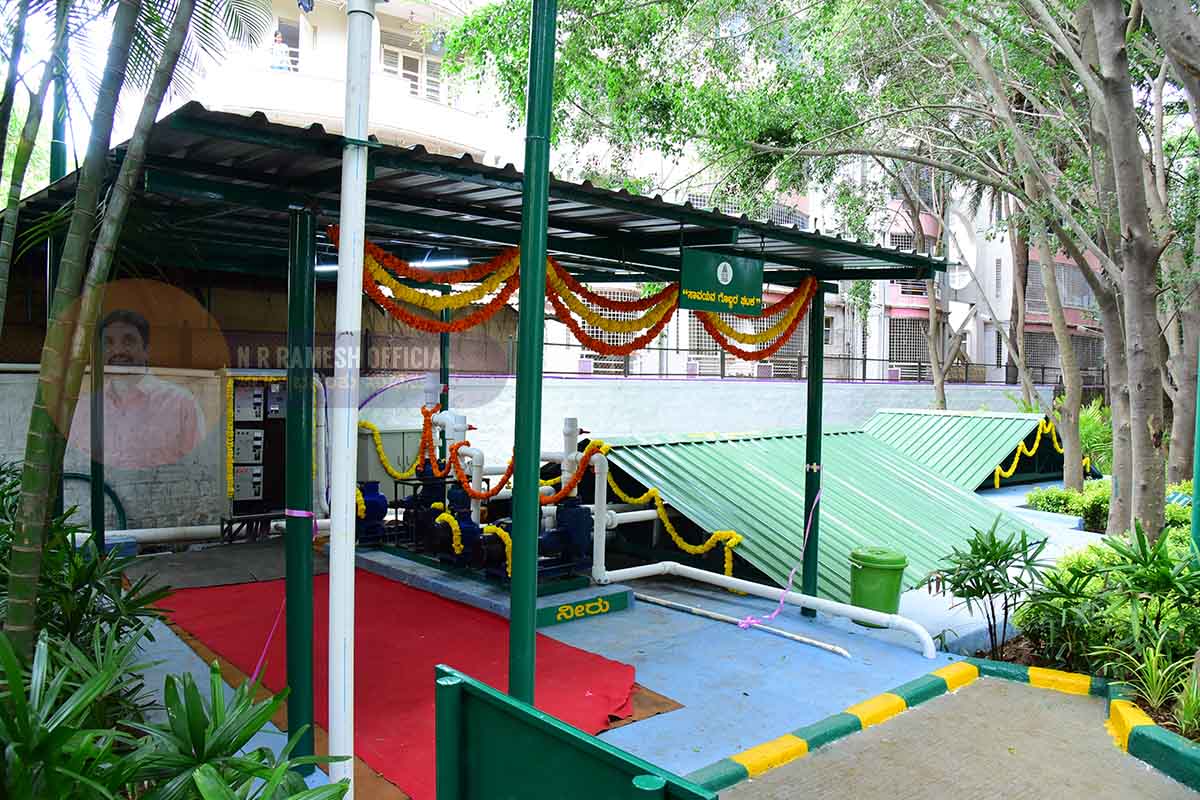
Bio-Methanization & Solar Power Initiative – Yediyur Ward
Yediyur Ward became the first ward in Bengaluru and Karnatak...

Prakruthi Vana – A Living Tribute to Nature
Prakruthi Vana is a unique eco-concept park in Yediyur Ward,...

Sardar Vallabhbhai Academy – Free World-Class Civil Services Training
Sardar Vallabhbhai Academy empowers students from economical...
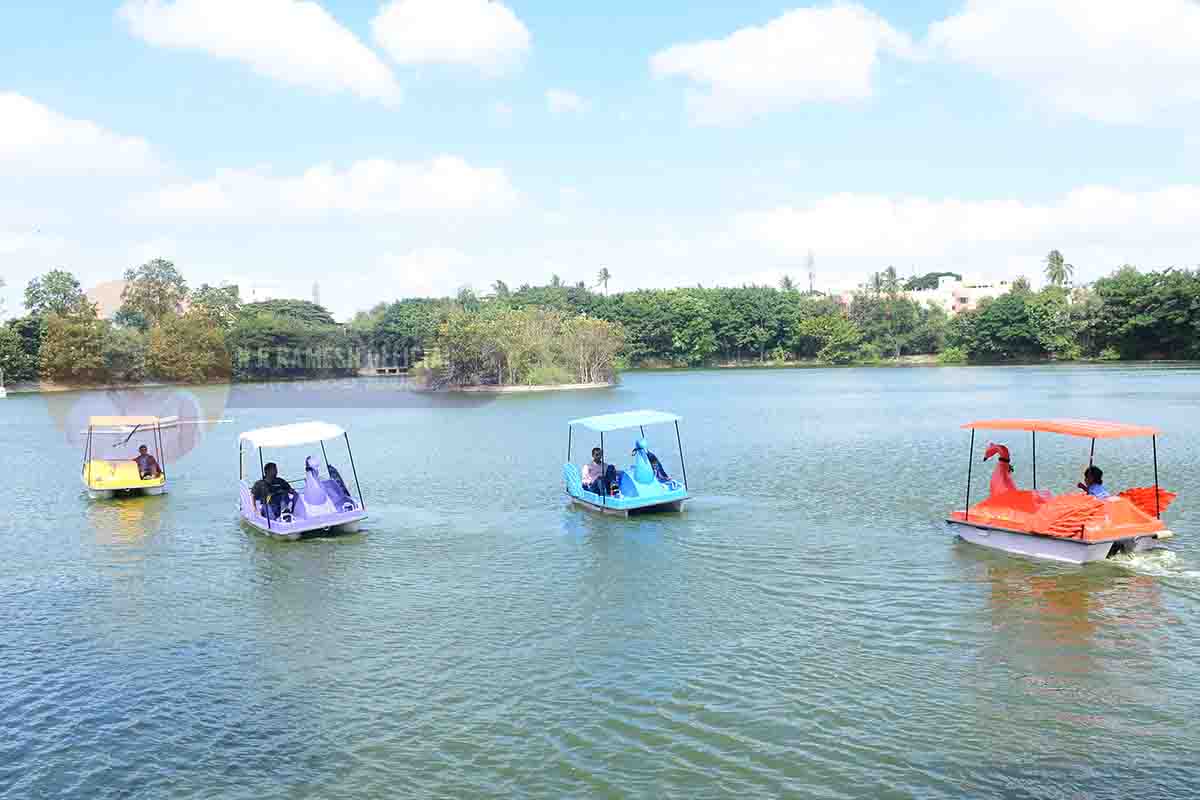
Historic Yediyur Lake – Heritage, Ecology & Public Life Revived
With over 1,400 years of history, Yediyur Lake has been tran...
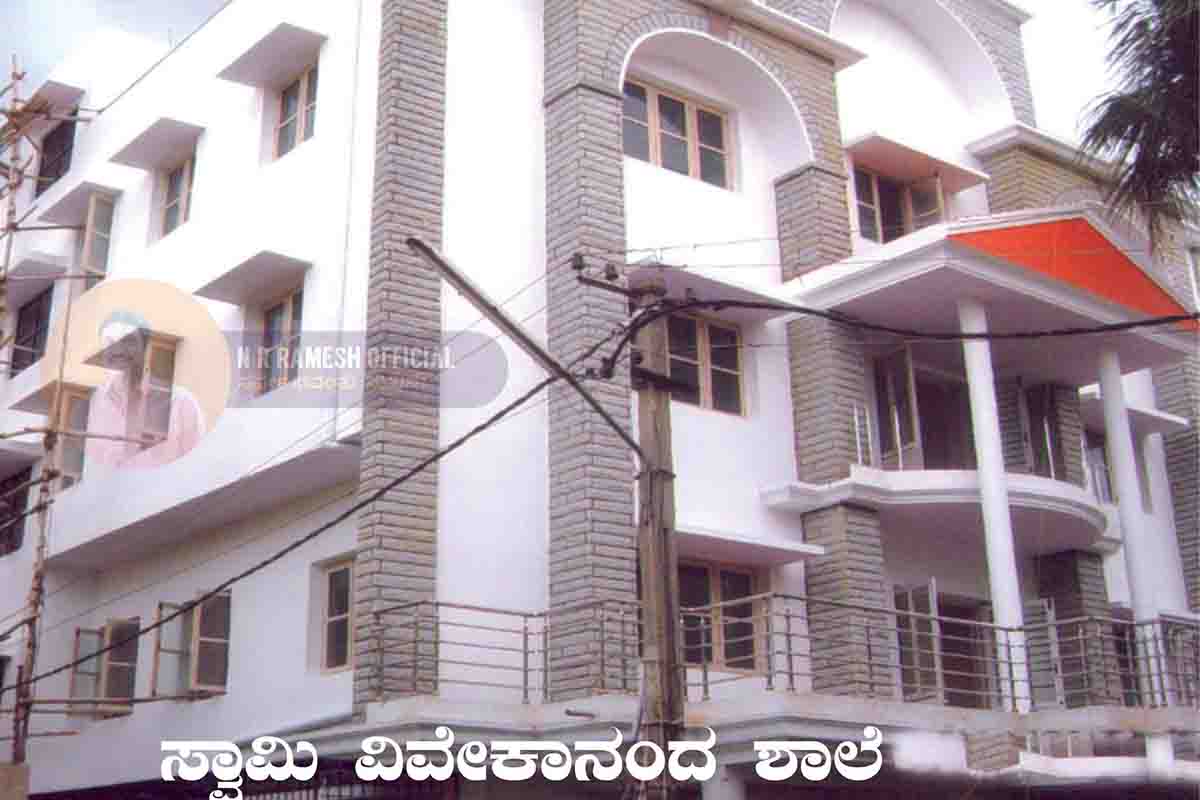
Swami Vivekananda School – Technology-Driven Quality Education for All
Swami Vivekananda School was built to provide high-quality,...