
Sanjeevini Vana - Dhanvantri Vana
Sanjeevini Vana and Dhanvantri Vana are Bengaluru’s first parks built entirely of vegetation, created to combat air pollution and improve respiratory health through medicinal plants.
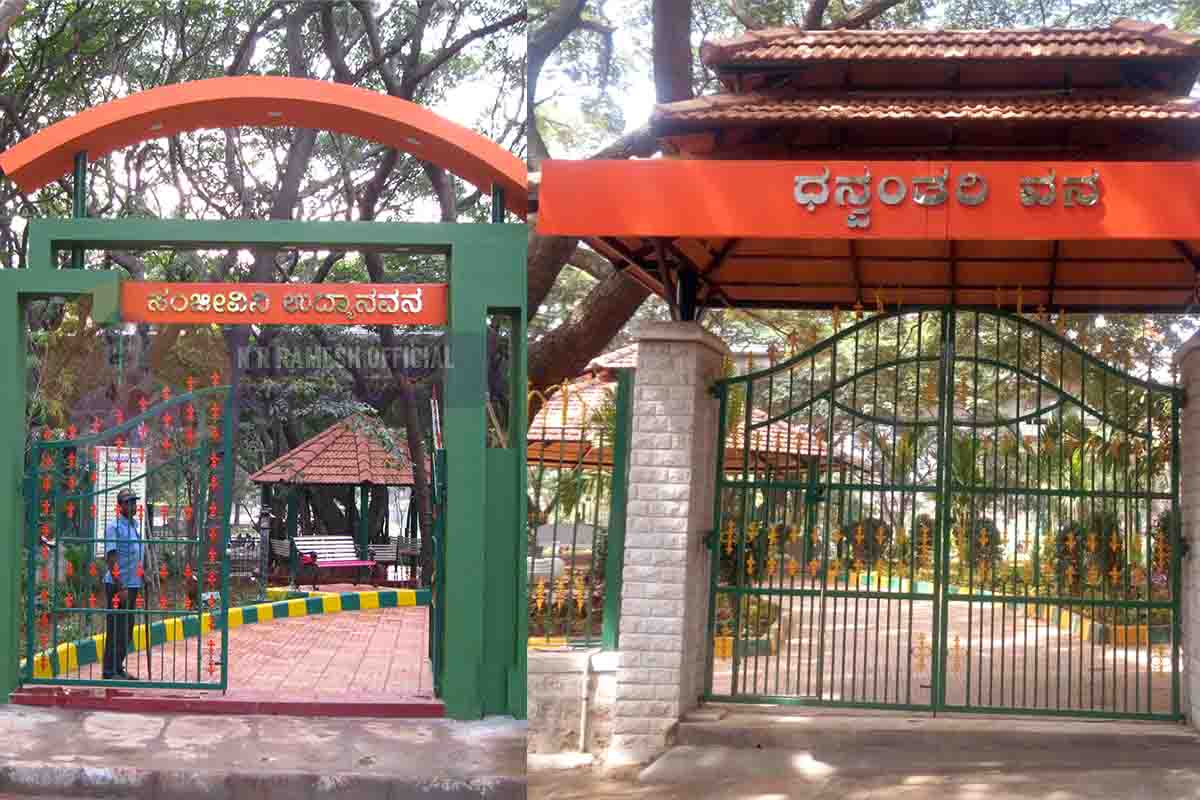
Bengaluru’s rapid urbanization and heavy traffic have made it one of the most air-polluted metropolitan cities in the country. Studies have shown a sharp rise in respiratory illnesses, with surveys indicating that nearly 23% of Bengaluru’s population suffers from asthma and related respiratory disorders. Addressing this alarming public health concern required an innovative, nature-based solution.
With this objective, Sanjeevini Vana was developed as a unique herbal park dedicated entirely to vegetation. A total of 130 medicinal plant species, known for treating ailments such as asthma, respiratory disorders, and lung infections, were sourced from the renowned Dhanvantari Vana near the Aghanashini River in Kumta Taluk of Uttara Kannada district. From each species, four saplings were planted, resulting in 520 medicinal plants forming the core of Sanjeevini Vana.
Located between the 4th and 5th Main Roads of Jayanagar 3rd Block, Dhanvantari Vana has been developed with the intention of improving the skin health and overall well-being of residents in Yediyur Ward and surrounding areas. The garden contains more than 700 medicinal plants belonging to 103 different species, carefully selected for their therapeutic value in treating skin disorders and improving immunity.
To further counter the effects of vehicular pollution surrounding the park, more than 100 neem trees were planted along the protective fencing. These trees help absorb carbon dioxide and purify the air, strengthening the park’s role as a natural air filter. Built entirely with vegetation and without concrete, Sanjeevini Vana is the first park in the Bengaluru metropolitan area to be created solely through plant life.
Today, Sanjeevini Vana stands as a powerful example of eco-centric urban planning, in which environmental protection and public health converge to deliver long-term benefits to the city and its citizens.
Other Developments
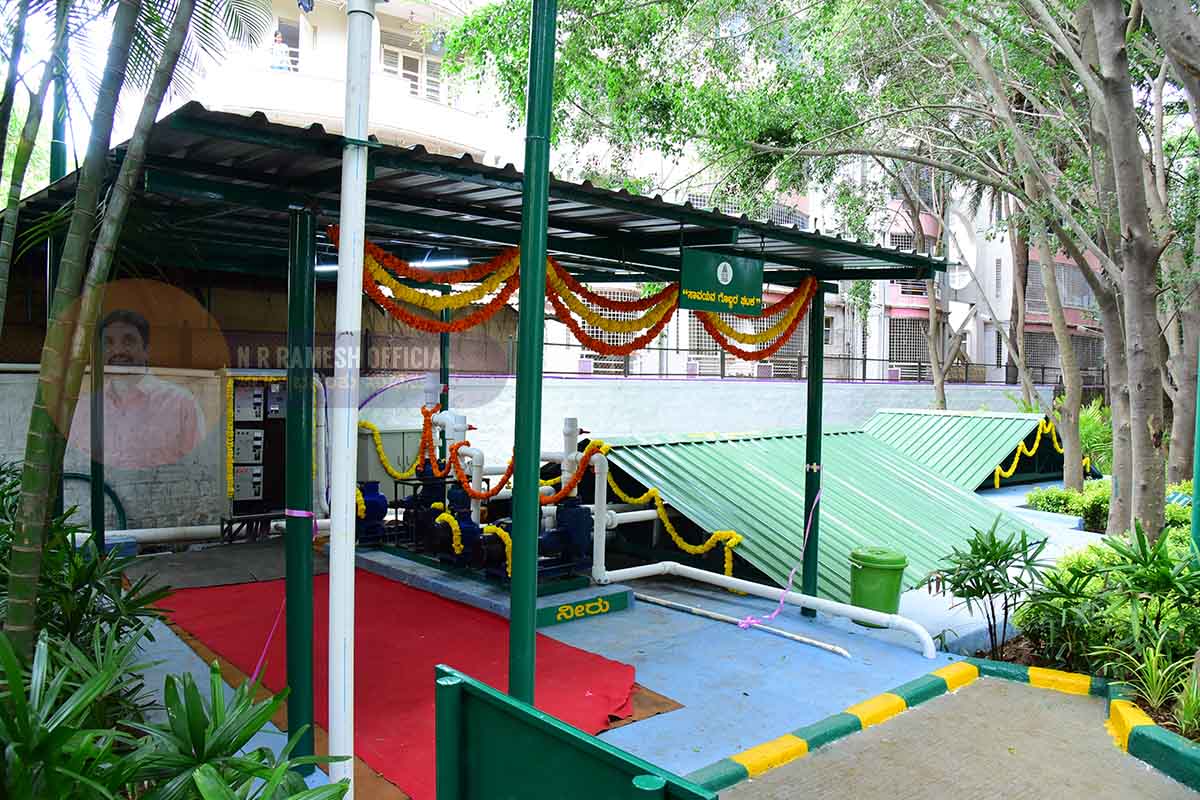
Bio-Methanization & Solar Power Initiative – Yediyur Ward
Yediyur Ward became the first ward in Bengaluru and Karnatak...
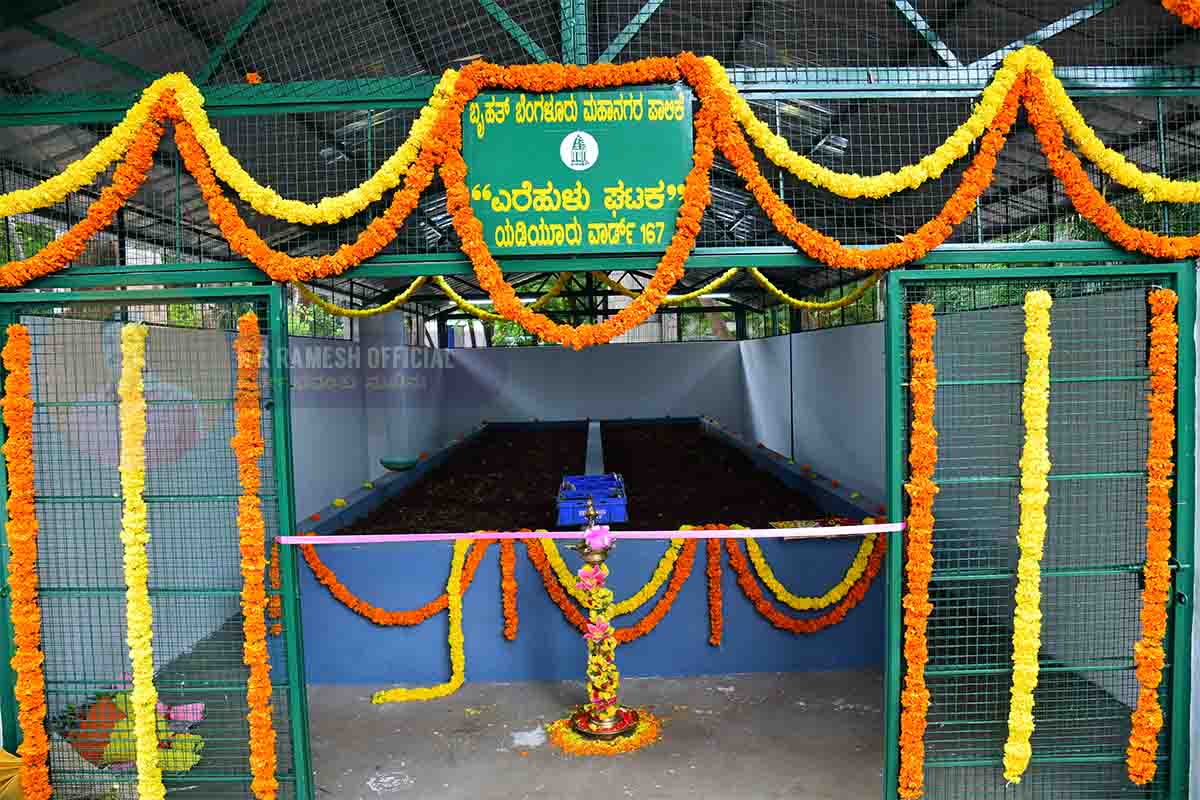
Earthworm Unit for Soil Fertility & Sustainable Parks – Yediyur Ward
The Earthworm Unit established in Yediyur Ward strengthens s...

Prakruthi Vana – A Living Tribute to Nature
Prakruthi Vana is a unique eco-concept park in Yediyur Ward,...

Sardar Vallabhbhai Academy – Free World-Class Civil Services Training
Sardar Vallabhbhai Academy empowers students from economical...
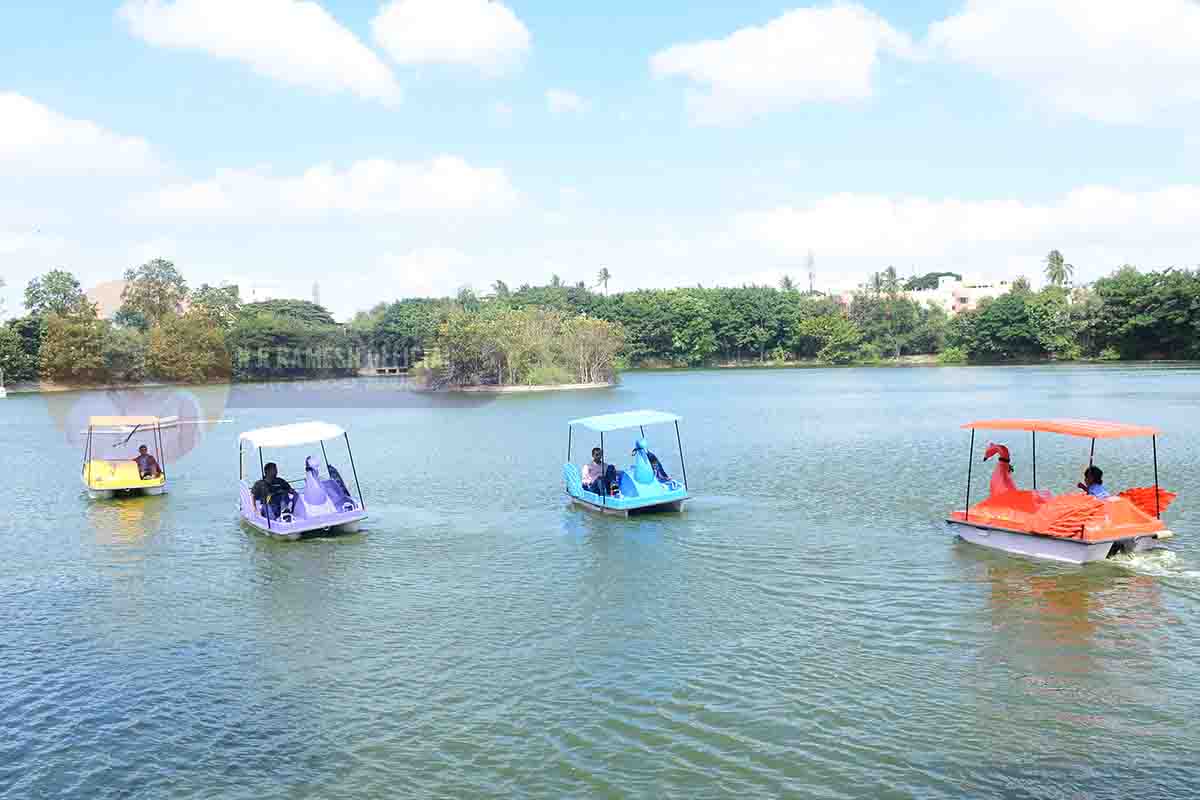
Historic Yediyur Lake – Heritage, Ecology & Public Life Revived
With over 1,400 years of history, Yediyur Lake has been tran...